
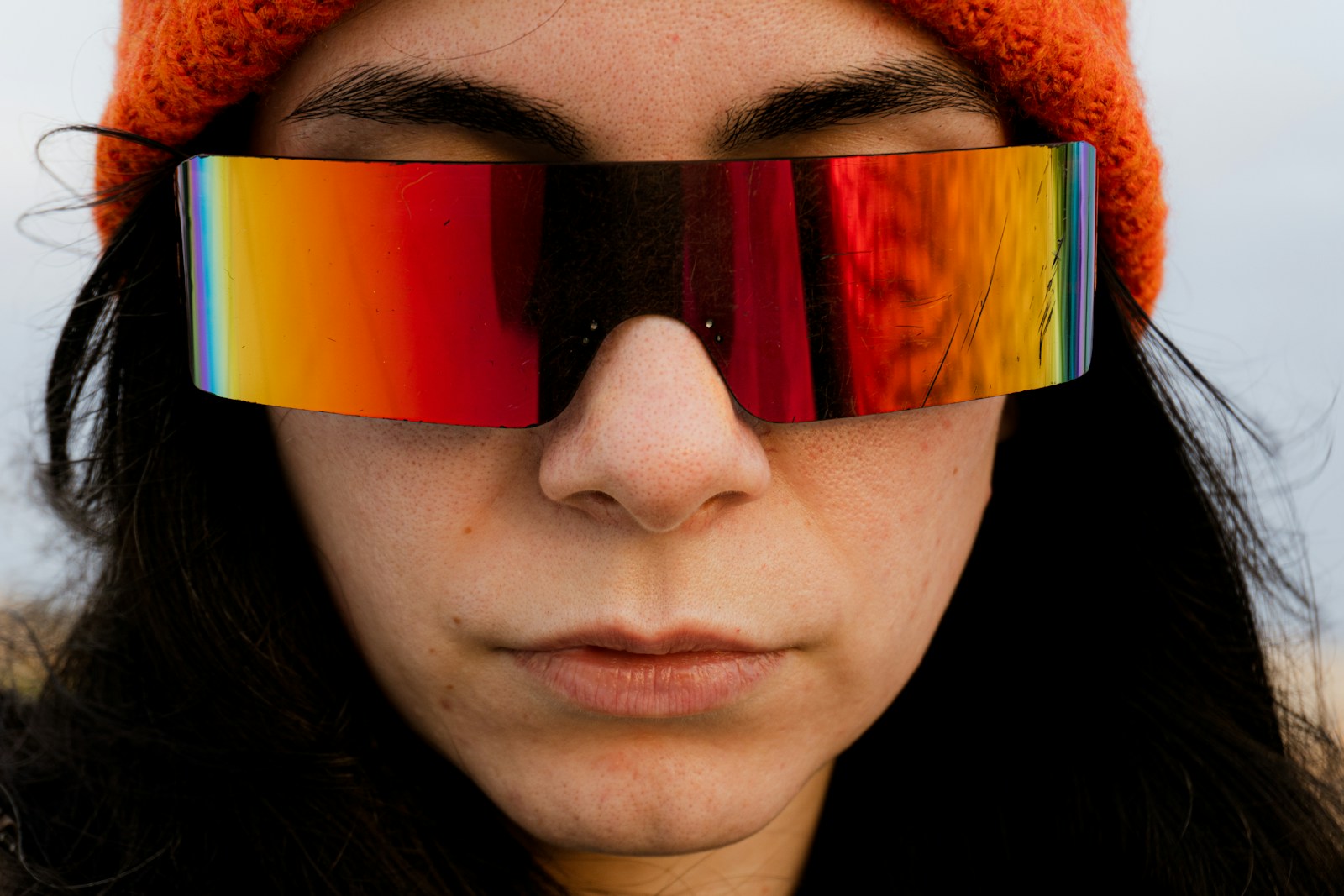
Remember when Google Glass was going to change everything? That was over a decade ago, and if you’re wondering what ever happened to the whole “augmented reality glasses” thing, you’re not alone. The hype cycle went wild, then went quiet, and now something actually interesting is happening: AR glasses are starting to be useful. Just not in the ways the original pitch promised. The story of how AR glasses stopped being a punchline and started being a product is really the story of technology growing up. It’s a story about ambition colliding with physics, physics winning, and smart people figuring out a smaller and better version of the dream.
What AR Glasses Really Do?
Augmented reality glasses put digital information on top of the real world you’re already looking at. Think of them like a transparent computer screen floating an inch in front of your eyes. You still see the coffee shop, the street, your friend across the table, but now directions, subtitles, or a text message can be layered on top of the scene. The technical term for this is “optical see-through” display, which is engineer-speak for “you can see through them.”
That’s fundamentally different from virtual reality, which replaces what you see entirely. AR adds. VR replaces. Easy to mix up, easy to keep straight once you’ve got the analogy. When someone tells you their new headset “does AR and VR,” they usually mean it has a setting for each, not that it’s doing both at the same time. A third category called mixed reality sits somewhere in the middle, usually meaning VR goggles with cameras on the outside that let you see the room, with digital objects composited into the video feed.
The hardware usually comes in one of three flavors. The first is chunky headsets that look like ski goggles and cost thousands of dollars. These are mostly for developers, designers, and specialized workers doing things like surgical planning or industrial design. The second is glasses that look almost normal but contain a small display in one or both lenses, usually projected by a tiny light engine hidden in the frame. The third is “smart glasses” with no display at all, just speakers, microphones, and a camera. That third category surprised everyone by actually selling, because it turned out people wanted a good camera and a good voice assistant more than they wanted pixels floating in their vision.
Why the First Wave Flopped – though it was massive
The original AR pitch was huge: glasses that would recognize faces, translate signs, play games in your living room, and basically turn real life into a video-game heads-up display. The problem? Batteries were too small, processors were too slow, screens were too dim in sunlight, and the field of view was about the size of a postage stamp held at arm’s length. Software was optimistic in ways that ignored the physics of tiny light engines trying to compete with the sun.
There was also a social problem that engineers kept underestimating. People felt weird having dinner with someone wearing a camera on their face. Bars banned them. Restaurants put up signs. The word “glasshole” entered the dictionary and never left. It turned out that making a product nobody wanted to be seen wearing in public was a significant market barrier, regardless of how impressive the technology was on paper.
Battery life was another killer. The early AR headsets drained their batteries in under two hours under real use. If you charged them overnight and went out the next morning, the glasses would be dead before lunch. A product you had to babysit with a charger in your backpack wasn’t really wearable technology; it was tethered technology with a long leash.
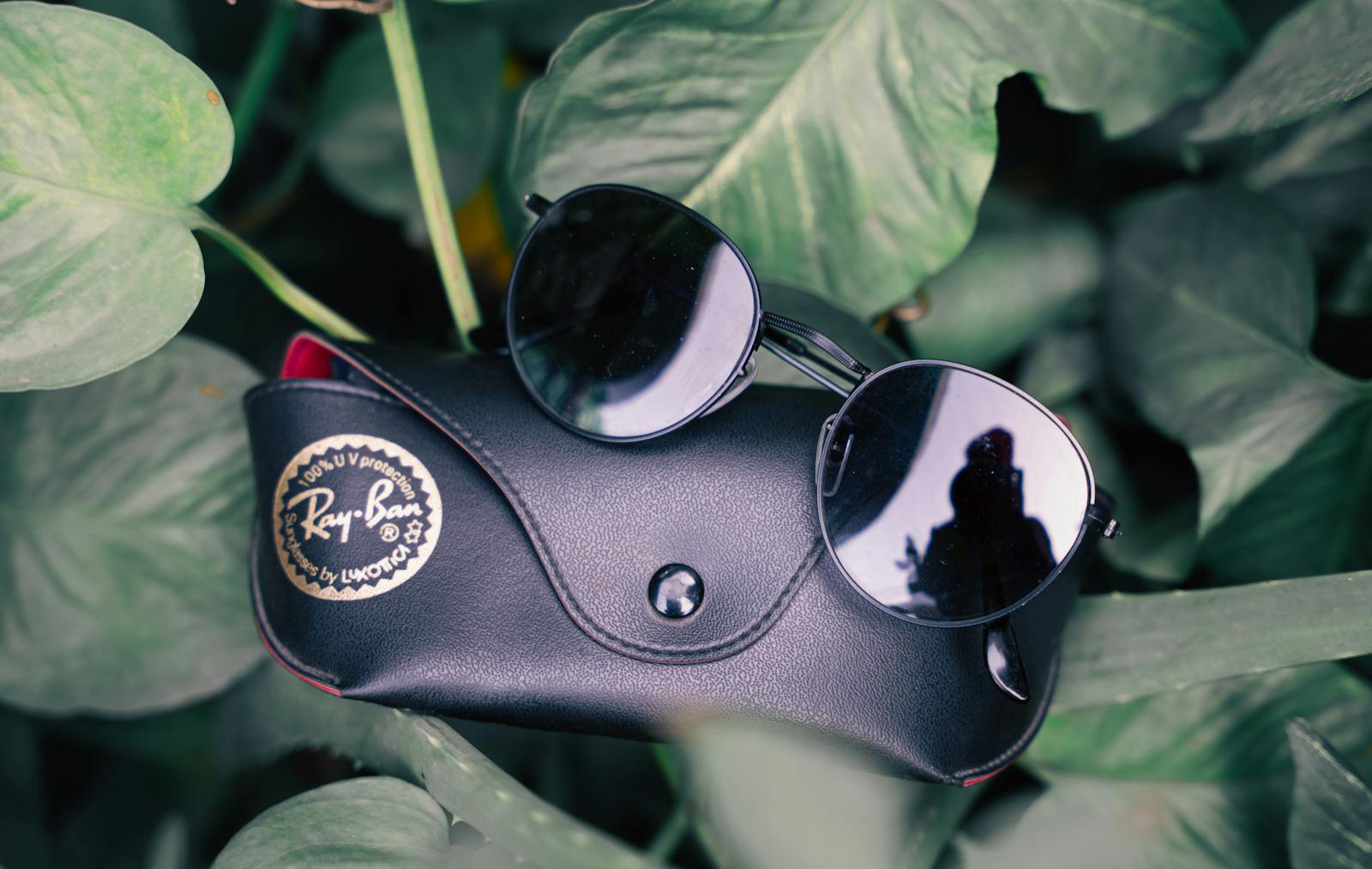
So the industry quietly rebooted. Instead of trying to replace your phone, the new generation of AR glasses is trying to do a few specific things very well. Instead of looking like prototypes from a sci-fi movie, they’re being designed by actual eyewear companies like Ray-Ban to look like actual glasses. The difference shows up in sales numbers. When the glasses stopped announcing themselves, people finally started wearing them.
What They’re Actually Good For Now
Here’s where AR glasses have quietly found their footing:
- Live captions for conversations. For people who are hard of hearing, glasses that transcribe speech in real time are genuinely life-changing. A conversation at a noisy restaurant becomes readable. A university lecture becomes accessible. This is the kind of feature that doesn’t make headlines but changes lives.
- Turn-by-turn walking directions. A little arrow floating in your peripheral vision beats looking down at your phone every ten seconds, especially in a new city. You can keep your head up, watch for traffic, and actually enjoy the walk.
- Menu translation and sign reading. Glance at French, see English. Glance at a Japanese street sign, see romanized pronunciation. Not flashy, but travelers love it and people pay for it.
- Hands-free remote expert calls. A technician fixing a pump can share exactly what they see with a specialist across the world, who can annotate the video feed with arrows and instructions in real time. This unsexy use case is quietly a multi-billion-dollar industry, used by oil companies, manufacturers, and hospitals.
- Audio-only “AR.” Some models are really just fancy speakers in a frame, no screen at all, paired with a good voice assistant and a camera for snapshots. Turns out a lot of people want that more than they want pixels floating in their vision.
Most current AR glasses are display peripherals, they project information from your phone. The full standalone "spatial computer" experience still belongs to bulkier mixed-reality headsets like the Apple Vision Pro and Meta Quest.
What to Look for If You’re Thinking of Buying a Pair
If you’re tempted, ask three questions before spending the money. What exactly will they show you in daily use? If the answer isn’t immediately obvious from the product page, skip them. How long does the battery last under realistic conditions, with the display actually on? Under two hours of real use is a paperweight, and manufacturer-claimed battery life is almost always measured under the most flattering conditions.
Do they look like regular glasses, or a prop from a sci-fi movie? Because if you’re self-conscious wearing them in public, they’ll sit in a drawer. Also check whether the glasses rely on a phone app to work. Most current AR glasses are really accessories for your smartphone, not standalone devices, which means they’ll be obsolete when the phone they pair with stops getting updates.
Prescription support is another question most reviews skip. Some AR glasses accept prescription lens inserts. Others require you to buy them through a vision provider who adjusts the lenses. A few don’t work with prescriptions at all, which makes them useless for the roughly 65 percent of adults who need corrective lenses.
The Privacy Question Nobody Wants to Answer
Most AR glasses have a camera. Most can record video. That means that the person wearing them, or the company that made them, may be capturing footage of everyone else in the room. Some models have a visible indicator light when recording. Others don’t. The etiquette around all this is still being figured out, and laws vary wildly from country to country. In some places, recording someone without consent is a criminal offense. In others, it’s completely legal in any public space.
If you buy a pair, be thoughtful about when you wear them. Hiding the recording light with tape is the modern equivalent of pointing a hidden camera at a bathroom door, and people will react accordingly. If you see someone else wearing them, it’s entirely reasonable to ask whether they’re recording. Polite norms around this are still being invented, and until they settle, a little awkward conversation is better than a hidden microphone.
If you are shopping: weight under 80g, a real prescription-lens option, and transparent on-device vs. cloud processing. Everything else is marketing.
How They Compare to Other Wearables
It’s worth putting AR glasses in context with other wearable tech. Smartwatches took about a decade to go from novelty to mainstream, and they succeeded by narrowing their ambition from “phone on your wrist” to “health tracker that shows notifications.” Fitness trackers won by being cheaper and less ambitious than smartwatches. Wireless earbuds won by solving one problem really well. In every case, the winning products were the ones that stopped trying to do everything.
AR glasses are going through the same compression. The first wave tried to be a computer for your face. The current wave is trying to be a good accessory for your phone. The next wave will probably succeed by being even more specific: translation glasses, navigation glasses, accessibility glasses. Broad-use “computing platform” glasses may come eventually, but they won’t be what cracks the mainstream market.
Where This Is All Going
The next few years will see two trends continue. First, the glasses will keep getting lighter, with better battery life, and will look more like regular eyewear. The dream of “AR glasses indistinguishable from normal glasses” is probably a decade away for anything with a real display, but the audio-only and light-display models are already close. Second, the software will keep narrowing. Expect fewer all-in-one dreams and more single-purpose successes: translation glasses, navigation glasses, fitness coaching glasses, captioning glasses for the hearing-impaired.
My Honest Take
AR glasses aren’t going to replace your phone in 2026. They might not replace it ever. But they’ve stopped trying, and that’s why they’re finally becoming useful. The new pitch is smaller, more focused, and much more believable: glasses that do one or two things better than any other device can. Sometimes technology succeeds by getting less ambitious, not more. And sometimes, the most exciting future isn’t the one the ads promised, but the one people quietly started using while nobody was looking.
Key Takeaways
- AR glasses became useful once they stopped trying to be standalone computers and started leaning on your phone.
- They are best at one thing today: showing you a small layer of information without making you pull out a screen.
- Privacy and battery life are still real trade-offs, assume the camera and microphone are part of the deal.
Start Your Free Trial Today
Full All-Access to hands-on labs, PBQs, and certification tracks, no credit card required.
Start Free Trial